
By Jody Tuso-Key; managing editor
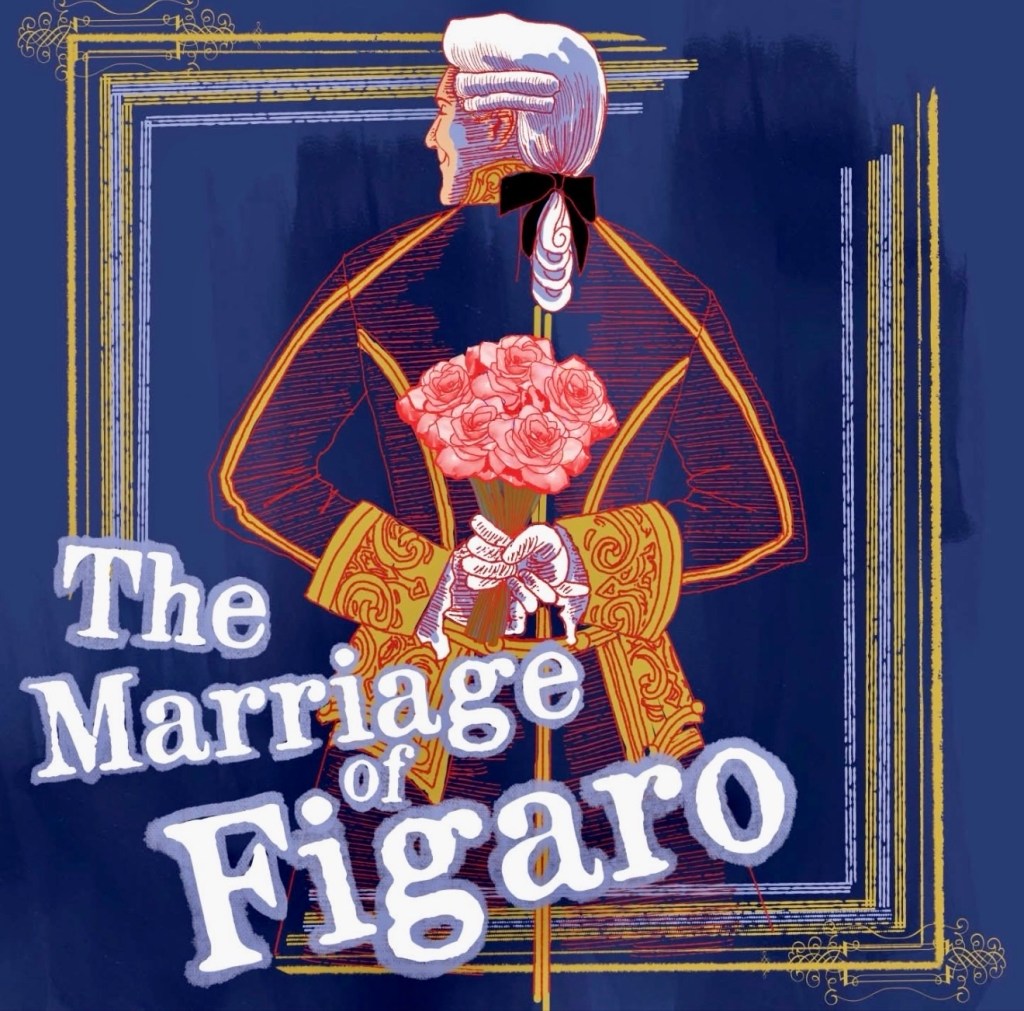
If chaos had a soundtrack, it would sound a lot like THE MARRIAGE OF FIGERO by Wolfgang Amadeus Mozart. This comedic opera is what happens when you give a mansion full of dramatic people a day off, a pile of secrets, and absolutely no adult supervision.
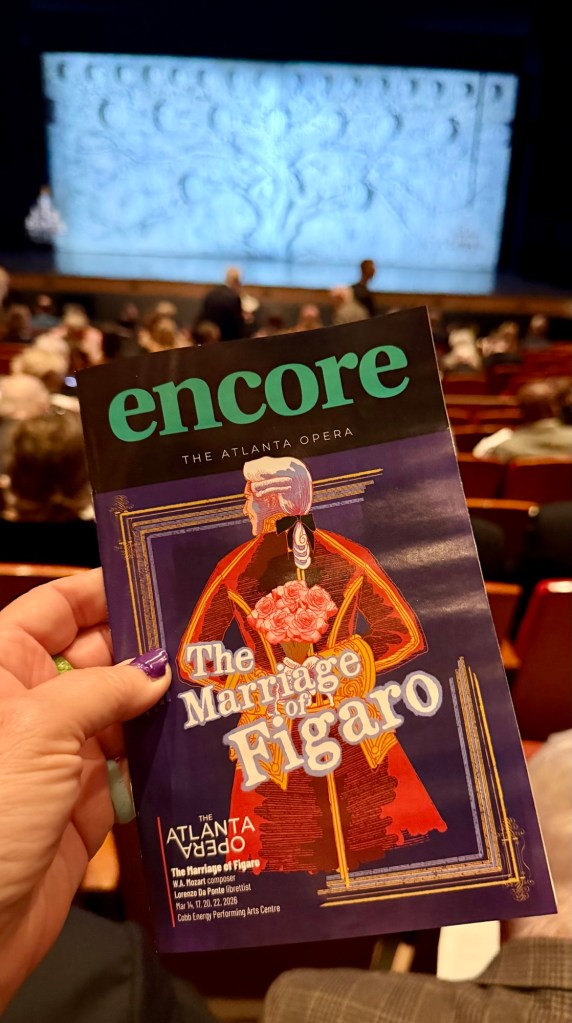
I’ve always loved Mozart’s music. I started piano lessons at five, and my teacher, Miss Irma Borgen, insisted on a steady diet of the classics—Beethoven, Bach, Schubert, Tchaikovsky, and, of course, Mozart. So when I was invited to see The Marriage of Figaro at the Atlanta Opera, I thought I knew what I was in for. I recognized the overture (shoutout to anyone who remembers it from the opening scene of Trading Places with Eddie Murphy and Dan Aykroyd), and I was familiar with a few arias.
Turns out, I did not fully know Mozart.
What I didn’t realize is just how full of folly Mozart is. FIGARO plays like a full-speed comedic sprint—part Shakespearean farce, part modern telenovela, with a dash of “who’s hiding in the closet now?” It’s packed with love, lust, deception, and just enough social commentary to remind you that 18th-century aristocrats were messy. Very messy.
A masterpiece of music, mischief, and mistaken identity, this opera delivers everything: soaring melodies, intricate plotting, and the deep satisfaction of watching wealthy nobles repeatedly outsmarted by their own staff. Also, if someone suggests hiding in a closet at any point, just go with it. It’s basically a main character move.
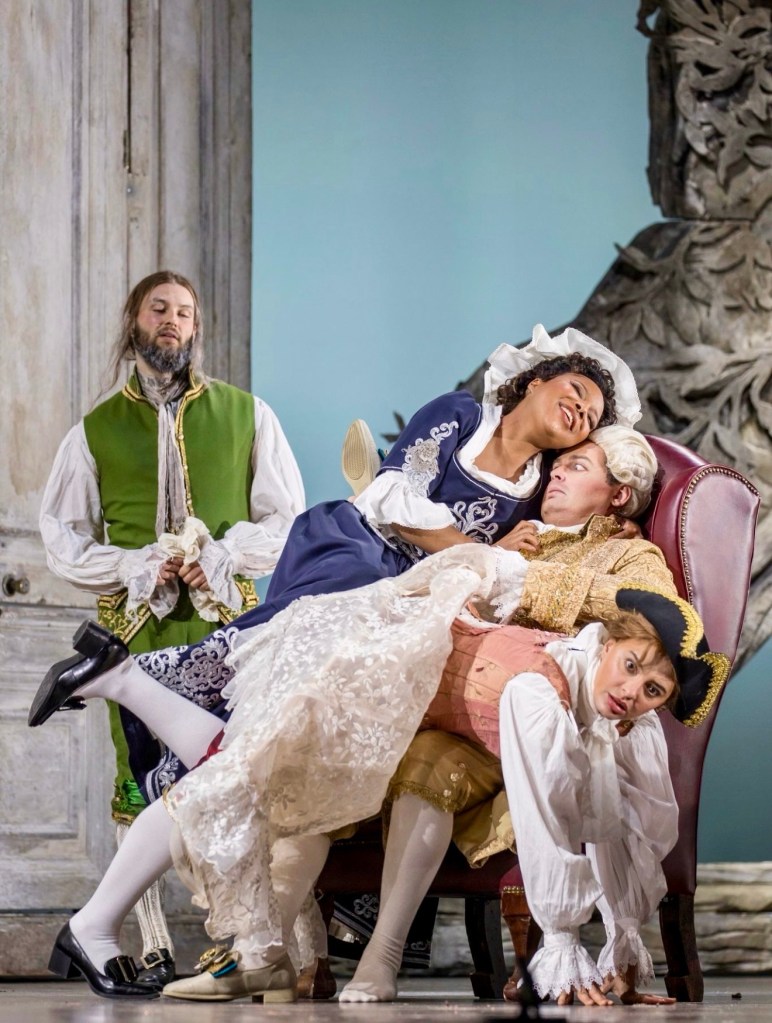
The plot? Imagine a wedding planner trying to pull off a ceremony while: the bride’s boss is aggressively flirting with the bride, the bride is plotting revenge, the groom is plotting a counter-revenge, a teenager keeps getting trapped in closets and flies out a window, and everyone communicates exclusively through singing…Beautifully….For three hours.
This four-act opera (with a well-earned intermission) escalates quickly. Figaro himself is the ultimate “I’ve got a plan” guy—except every plan immediately requires a backup plan, which then requires disguises, forged letters, and at least one person hiding behind furniture. By Act IV, the stage looks less like a home and more like the world’s most elegant game of hide-and-seek.
Meanwhile, the Count spends the entire opera trying to prove he’s the smartest person in the room, which is bold considering he is consistently outwitted by literally everyone else—including the help, the gardener, and people pretending to be other people in the dark.
And then there’s the music. Mozart casually delivers some of the most beautiful compositions ever written while his characters are essentially arguing about who’s hiding where and who’s mad at whom. It’s the classiest soap opera in history—if soap operas had orchestras and Olympic-level vocal cords.
By the end, identities are revealed, feelings are hurt, apologies are sung, and you realize this entire saga took place in roughly one extremely chaotic day. In the end there’s a surprising plot twist followed by the Count begging forgiveness, everyone forgiving him (because apparently group therapy works better with violins), and the wedding finally happens.
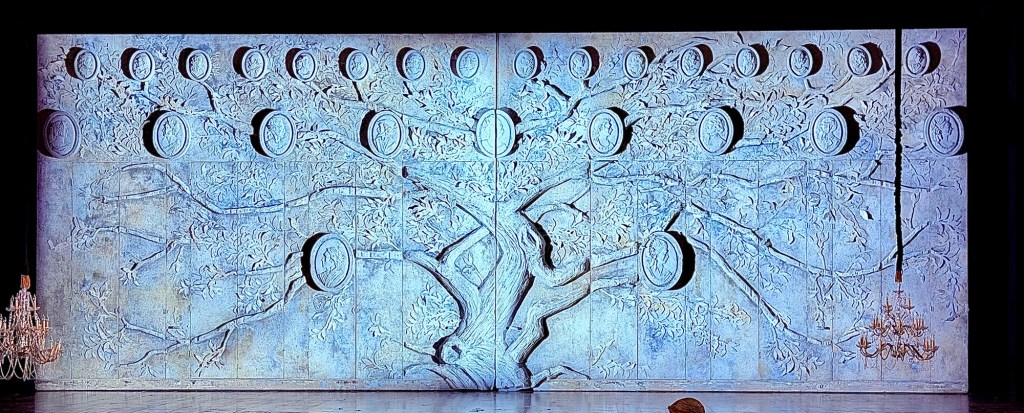
This is the perfect “starter opera” for newcomers, but it’s just as entertaining for seasoned opera lovers. As always, the Atlanta Opera goes above and beyond. Director Stephen Lawless delivers a lively, fast-paced production supported by Leslie Travers’ stunning set and period costumes, Christopher Allen’s precise and expressive conducting, Natalia Carlson’s lighting, and choreography by Eric Sean Fogel and Gwynn Wolford that keeps the stage in constant, delightful motion.
The Cobb Energy Centre proves once again it’s the ideal home for opera in Atlanta—grand, elegant, and perfectly suited for a production of this scale.
Under the artistic direction of Tomer Zvulun, the Atlanta Opera continues to rank among the best in the country. And if you think opera isn’t for you—too stuffy, too confusing—don’t worry. English subtitles are projected clearly, and the play bill does a great job guiding you through the chaos.
Also—important note—the concessions are excellent. I enjoyed a cheese plate (with an adorable jar of jam), a cup of coffee, and I highly recommend the caramel popcorn. Opera and snacks? Say less.
The cast is stacked with talent, bringing to life a whirlwind of characters including Figaro and Susanna (soon-to-be-married servants), Count and Countess Almaviva, the perpetually flustered Cherubino, and a whole lineup of schemers, gossips, and grudge-holders.
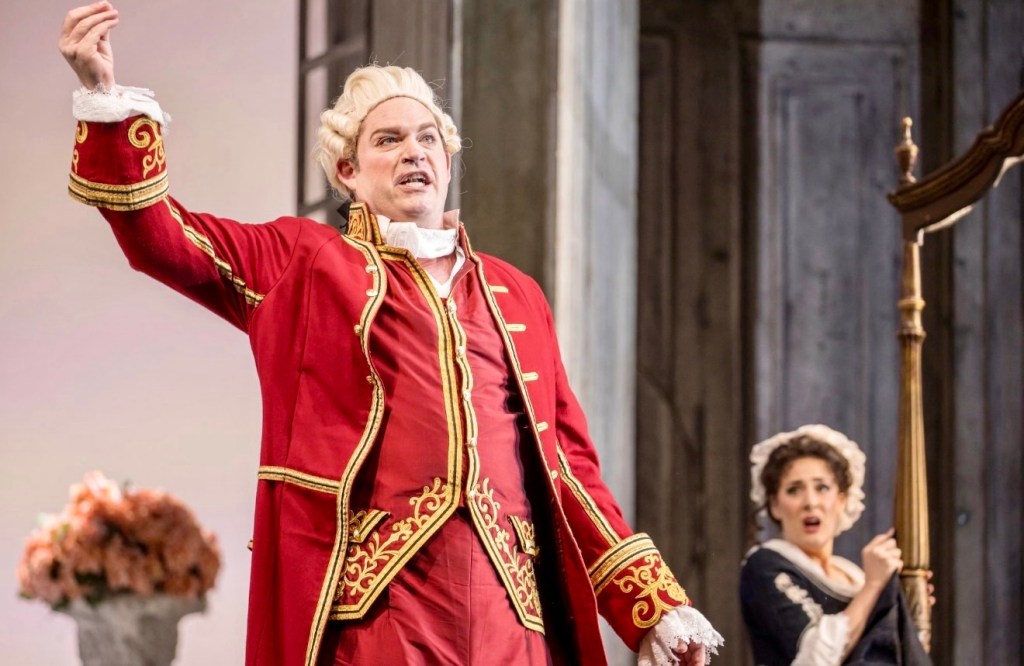
Brandon Cedel shines as Figaro, the fast-talking, quick-thinking valet who prefers elaborate schemes over simple solutions. His rich bass-baritone and commanding presence make him both hilarious and grounded.
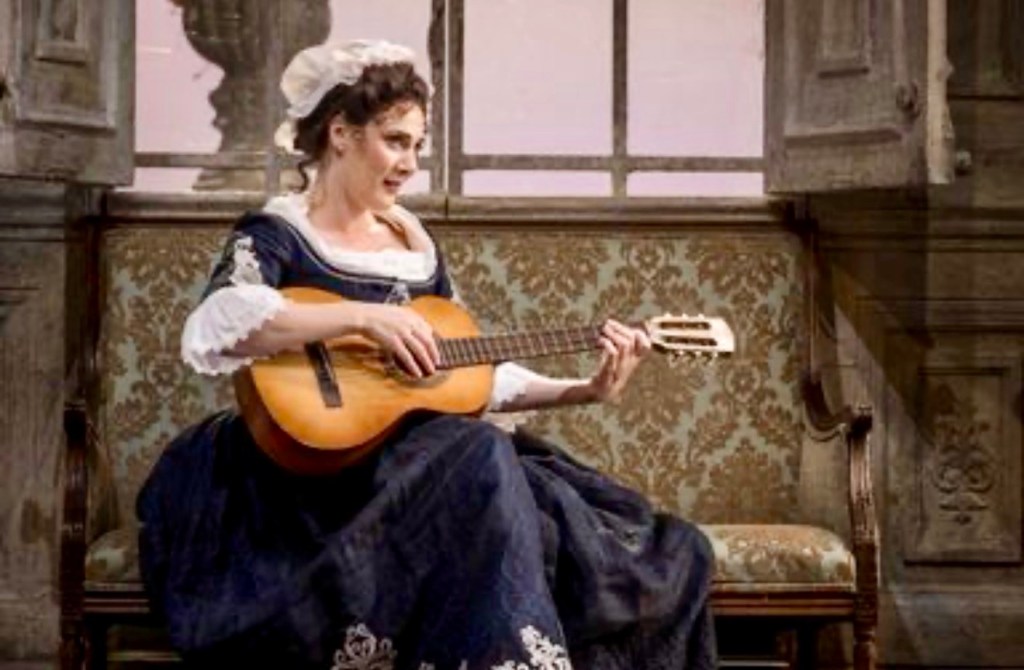
Sydney Mancasola’s Susanna is the true mastermind of the operation. While everyone else spirals, she keeps track of every lie, disguise, and secret. Despite a backstage fall before the performance (she injured her chin!), she delivered a bright, agile soprano performance like an absolute pro.
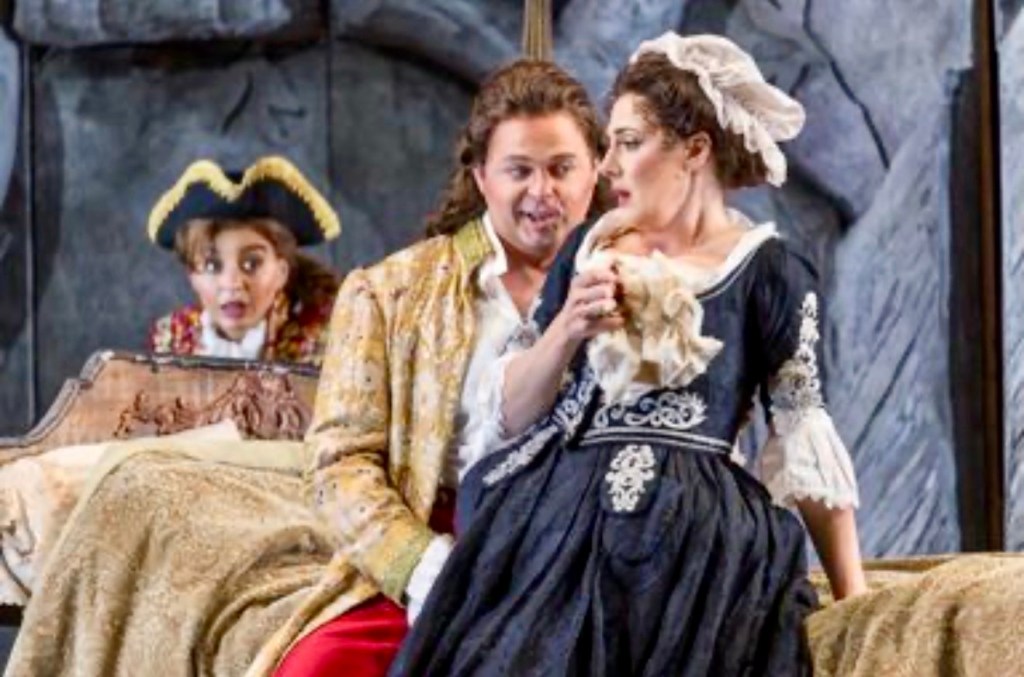
Luke Sutliff’s Count Almaviva is dripping with arrogance and oblivious confidence—a man fully committed to being wrong in the most dramatic way possible. His strong baritone adds authority to the role, even as the character’s plans fall apart.
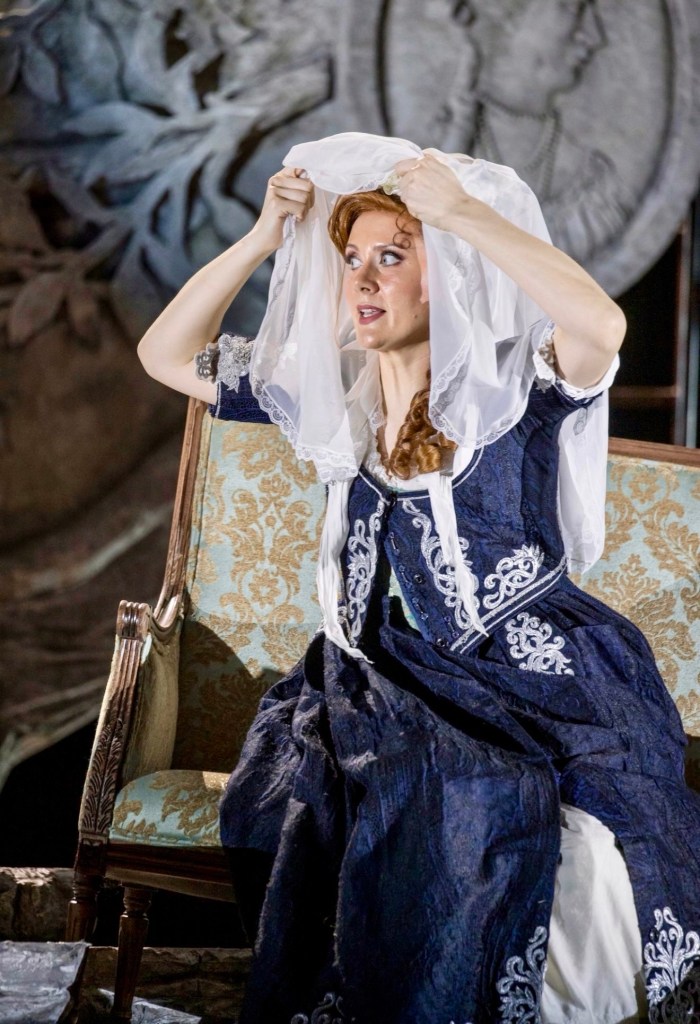
Julia Maria Dan’s Countess is elegance and heartbreak wrapped in a gorgeous lyric soprano. She brings warmth and emotional depth to one of the opera’s most sincere roles.
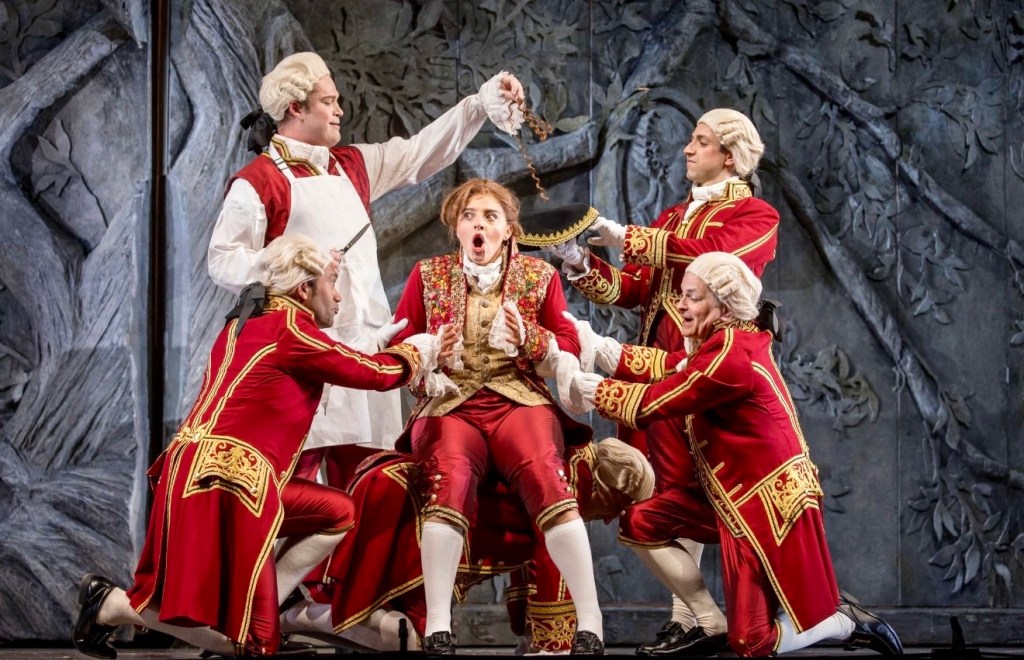
Rihab Chaieb nearly steals the show as Cherubino, the lovestruck teen who is somehow in love with everyone at once. Her performance is energetic, charming, and vocally stunning.
Marianne Cornetti’s Marcellina delivers both humor and power, especially as her storyline takes an unexpected (and hilariously awkward) turn.
Patrick Carfizzi’s Dr. Bartolo is equally entertaining, bringing comedic timing and rich bass tones to a man fueled almost entirely by grudges.
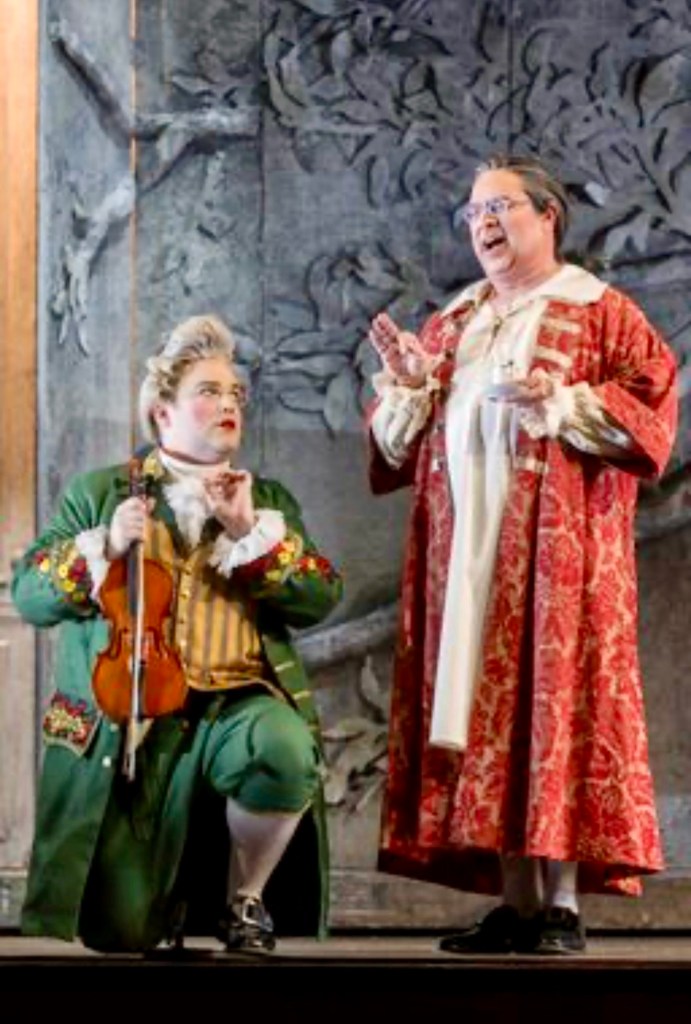
Wayd Odie impresses in dual roles as the gossip-loving Don Basilio and the bewildered Don Curzio.
Rounding out this cast, Kyle White’s Antonio grounds the chaos as a gardener who simply wants people to stop jumping into his flowers—an impossible request in this opera.
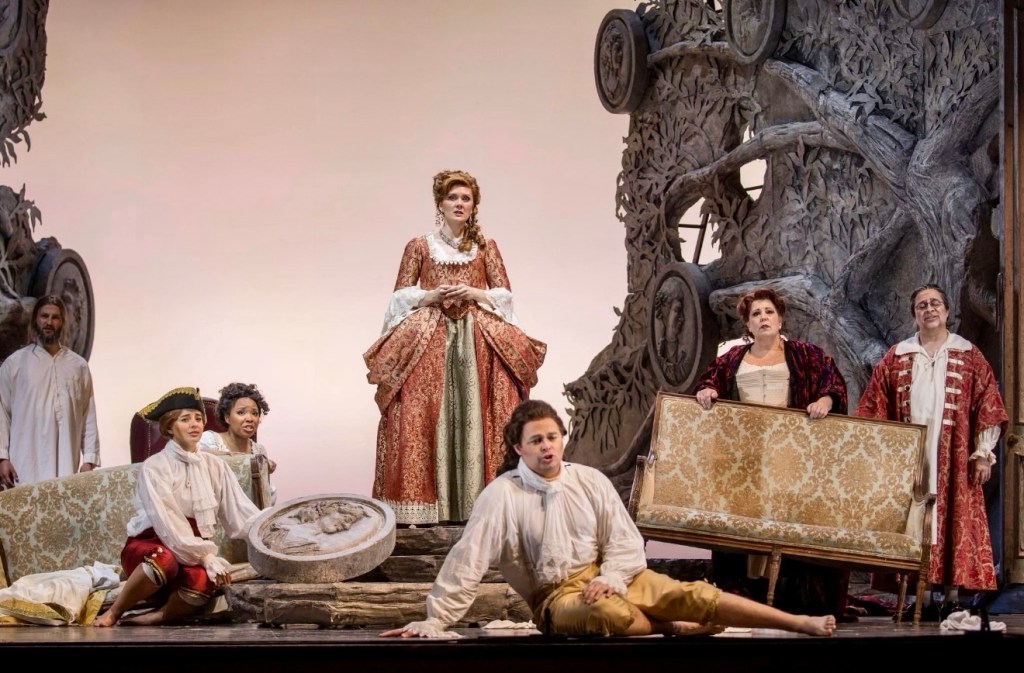
In the end, THE MARRIAGE OF FIGARO is what happens when eight dramatic adults, one hormonal teenager, and several disguises try to organize a wedding in a single day. Chaos and hilarity win every time.
This performance is Speakeysie HIGHLY RECOMMENDED. The show only has two more performances on March 20 and 22nd, so get your tickets at atlantaopera.org and enjoy the show!
As always, peace be with you and thanks for your readership.
 Speakeysie